
Publication date: 21 December 2025
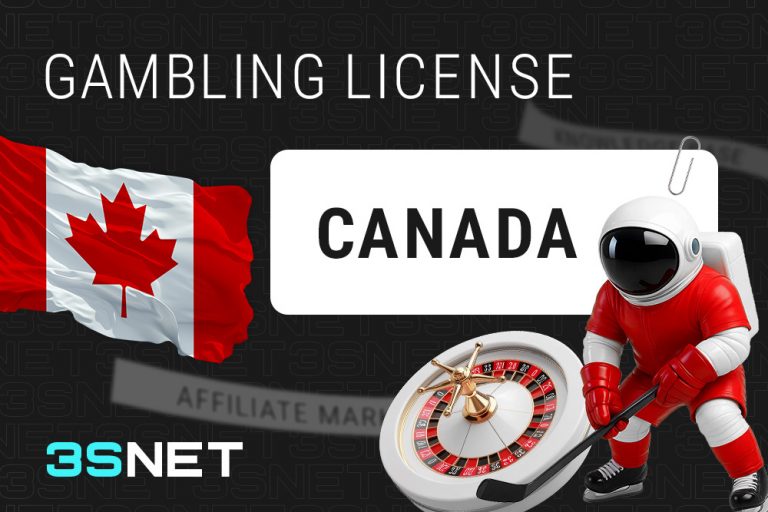
Obtaining a Canadian gambling license in Ontario: AGCO requirements for 2026. For international operators, the Canadian gambling license is available exclusively through the province of Ontario. The Ontario license, issued by AGCO, is the de facto single Canadian gambling license for private online gambling, providing access to the regulated market.
The information is based on public regulatory data as of November 2025. For current requirements, please refer to official sources: AGCO and iGaming Ontario.
The Ontario Market: Canada’s Sole Gambling License
The online gambling market in Ontario was officially launched on April 4, 2022. Following this, the critically important event was the conclusion of the transition period on October 31, 2022. From that date, the AGCO ceased the validity of temporary authorizations, and any operator activity without a full Ontario license became considered illegal. This definitively legalized the market, eliminating grey operations and establishing clear rules for all participants.
See the full iGaming Canada overview: traffic, audience, and payments for market analysis and international operators.
Key Requirements for the Ontario iGaming License
Responsible Gambling Commitments for a Canadian Gambling License
AGCO imposes strict player protection requirements. An operator obtaining a Canadian gambling license is obligated to:
- Implement robust age verification before any deposit or gameplay.
- Provide players with comprehensive self-exclusion tools (e.g., temporary time-outs, permanent self-exclusion).;
- Adhere to the ban on using influencers, celebrities, cartoon characters, or imagery appealing to minors in advertising (regulatory change of 2024).
- Ensure advertising transparency: all bonus terms and wagering requirements must be clear and easily accessible.
Geolocation and Liquidity Segregation for the Ontario License
Operators holding an Ontario license must ensure:
- Accurate player geolocation within the province before each gaming session;
- A prohibition on pooling liquidity (player pools) with users from other jurisdictions or countries. The Ontario market is segregated;
- Online game access is only permitted for individuals physically located within Ontario’s borders.
Costs and Fees for a Canadian Gambling License
AGCO sets a fixed registration fee for the Canadian gambling license, allowing operators to accurately plan their costs.
AGCO Registration Fees for an Ontario iGaming License
The fixed annual registration fee for a Gaming Operator is $100,000 CAD per gaming site/brand. NB: each separate domain or trade brand requires submitting a separate application and paying a separate $100,000 CAD fee.
In addition to the AGCO fee, the operator enters into an agreement with iGaming Ontario, which stipulates a revenue sharing model (Revenue Share). The total market entry costs, including legal support, audits, and integration, can start from $ 250,000 CAD.
The Ontario License Acquisition Process for an Operator
Regulatory Structure of AGCO and iGO for a Canadian License
As of May 2025, an organizational separation of functions has taken place:
- AGCO (Alcohol and Gaming Commission of Ontario) — the regulator. It sets the rules, conducts inspections, issues registrations to operators and suppliers, and imposes sanctions.
- iGaming Ontario (iGO) — the operating entity. It signs commercial agreements with operators, monitors compliance with terms, and distributes revenue for the benefit of the province.
The operator interacts with AGCO to obtain authorization and with iGO to establish commercial terms for operating in the market.
Compliance, Audits, and Geolocation for the Ontario License
AGCO Oversight
AGCO conducts regular scheduled and unscheduled audits and inspections of licensed operators. It verifies compliance with responsible gaming rules, accuracy of financial reporting, data security, the operation of geolocation systems, and KYC procedures.
For serious or systematic violations, AGCO can impose sanctions: levy substantial fines, suspend an operator’s registration, or completely revoke the Ontario license, thereby terminating legal operations in the market.
Important Clarifications for Obtaining a Canadian Gambling License
Key Points for International Operators
- Company Registration Location: The operating company can be registered outside of Canada (e.g., in Malta, the UK, etc.).
- Language: Operating under an Ontario iGaming license does not require a mandatory French version of the website. English is sufficient.
- Domain Names: Specific requirements for the domain (.ca, .com, subdomain) depend on the regulator’s decision and are subject to prior approval.
How to Obtain a Canadian Gambling License (Ontario) in 2026
Obtaining a Canadian gambling license through Ontario is a structured process that grants access to the country’s only fully regulated online gambling market. Operators applying for an Ontario iGaming license must consider not only the financial costs but also the comprehensive requirements of AGCO and iGaming Ontario: from in-depth due diligence on beneficial owners to mandatory geolocation and responsible gaming standards.
Thanks to a transparent regulatory model and stable player demand, the Ontario license remains one of the most attractive options for international operators seeking to operate legally in Canada. Companies willing to invest in compliance and infrastructure gain the opportunity to enter a growing market with long-term potential.
FAQ
What is a gambling license?
A gambling license is an official authorization issued by a government regulator that allows a company to legally operate online gambling activities such as online casinos, sports betting, poker rooms, lotteries, or bingo. A valid license confirms that the operator complies with local laws, follows responsible gambling rules, and ensures fair gameplay and secure payouts for players.
Who needs a gambling license?
A gambling license is required for online casino operators, sportsbook operators, poker platforms, and, in some jurisdictions, gambling affiliates who promote betting or casino websites. Operators without a valid license may face fines, payment blocking, or a complete ban from regulated markets.
How much does a gambling license cost?
The cost of a gambling license depends on the jurisdiction. Offshore licenses such as Curacao or Anjouan usually start from €15,000–€25,000, while regulated markets like Canada (Ontario), Germany, or Spain can cost significantly more due to higher fees, audits, and ongoing compliance requirements. Additional costs may include legal services, certification, and annual renewal fees.
Which gambling license is best for international operators?
There is no universal “best” gambling license. For global operations, many companies start with Curacao or Anjouan licenses due to their flexibility and lower costs. However, for targeting specific regulated markets, local licenses such as an Ontario iGaming license (Canada) or a German gambling license are required. The best choice depends on target countries, business model, and compliance strategy.
Do gambling affiliates need a license?
In some countries, yes. Certain jurisdictions require affiliates, CPA partners, and marketing companies to obtain a separate affiliate license or register with the local regulator. This ensures that gambling advertising is legal, transparent, and compliant with AML and responsible gambling rules. Affiliates working without proper authorization may be restricted from promoting licensed operators.
Share it with your friends via favorite social media